Osteopathy & Supporting Tongue Tie Release
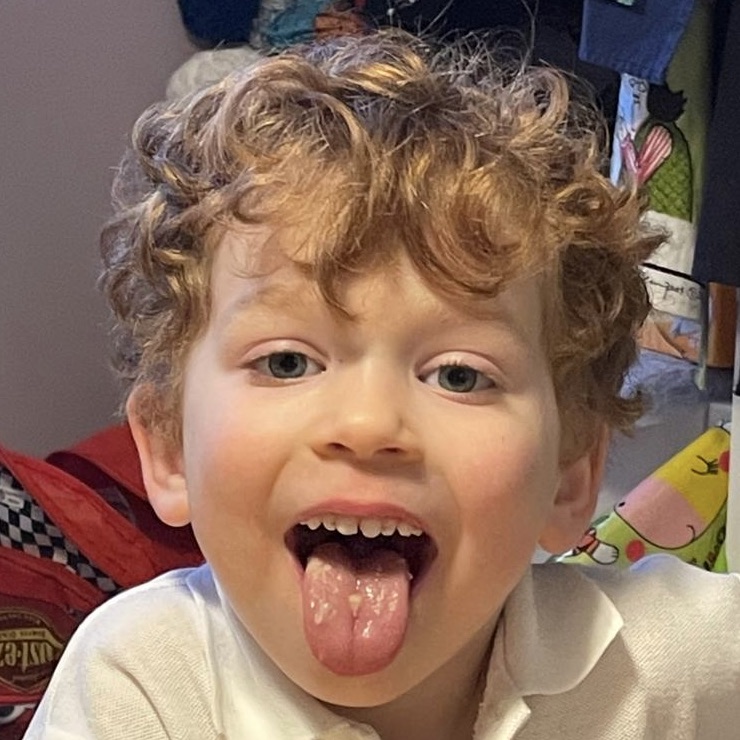
A tongue tie occurs when a small band of tissue under the tongue is tight or restrictive – limiting the tongue’s movement. In infants, children and adults, this can be associated with feeding, speech, breathing, dental problems, jaw tension and posture related symptoms.
A tongue tie release (frenotomy or frenectomy) is a minor surgical procedure that reduces this restriction. While a successful release improves tongue mobility, supportive care before and after the procedure can help address compensatory patterns, increased surround muscular tension and overall comfort during recovery.
How osteopathy fits into tongue tie care
Osteopaths do NOT diagnose tongue tie or perform frenotomies. Instead, osteopaths work alongside lactation consultants, dentists, ENT specialists and myofunctional therapists to provide gentle, supportive care – considering the whole body.
Osteopathy may be helpful because restriction of the tongue is often not only caused by the tongue tie but also surrounding soft and connective tissues of the tongue. Research and clinical literature describe wider involvement of the jaw, neck, upper chest, posture and breathing patterns, which can develop as compensations over time.
Support before a tongue tie release
Prior to a release, some babies, children or adults have developed patterns such as increased neck tension, jaw tightness, altered posture or inefficient breathing. Gentle osteopathic treatment may support by:
• Reducing tension in the neck, jaw, shoulders and upper chest
• Improving comfort and mobility around the head and spine
• Supporting overall relaxation of the nervous system
This type of care does not replace feeding support or surgical assessment but may complement them as part of a wider care plan.
Support after a tongue tie release
After a tongue tie cut, the tongue may move more freely, but the body often needs time to adapt to the increased movement. Studies and clinical guidance highlight not only the need for exercises following a release but also suggest supportive therapies can help gaining optimal movement and healing.
Post release osteopathic care may help by:
• Easing residual tension around the jaw, neck and throat
• Supporting comfortable head and neck posture as the tongue adapts
• Assisting the body’s overall recovery and settling
Working as part of a team
At Switch Osteopathy, we believe tongue tie care works best when professionals collaborate. Osteopathy is often used alongside:
• Lactation consultants
• Dentists or oral surgeons
• ENT specialists
• Speech and language or myofunctional therapists
This team based approach helps ensure care is safe, appropriate and tailored to individual needs.
Osteopathy and TMJ (Jaw Pain)
The temporomandibular joint (TMJ) connects your jaw (mandible) to the skull. It allows movements such as opening and closing your mouth, chewing, and speaking. When this joint or the surrounding muscles are not functioning properly, it can lead to TMJ dysfunction (TMD).
The jaw is the most important joint in the body – if you can’t eat you won’t be able to survive – so the body will twist itself into compensation patterns to allow the jaw to function. Osteopathy is a hands-on therapy that focuses on improving movement, reducing tension, and supporting the body’s natural healing. Not only can is aid in restoring compensation patterns but also help with disfunction of the jaw itself.
Osteopaths Address the Whole Body
TMJ issues are often linked to:
- Poor posture (e.g., forward head position)
- Neck dysfunction and headaches
- Stress and jaw clenching
Osteopaths are able to assess and treat the whole body, not just the jaw. Techniques that may help reduce stress and tension and encouraging relaxation to ease jaw clenching or grinding.
You may be asked to seek osteopathic treatment by your dentist and orthodontist. Especially if you have braces or your child has palate expanders. If specialists are changing the jaw and therefore the way the skull functions with the body, there may be adoptions which can cause pain or other compensation patterns in the body such as increased spinal curves. Having osteopathic treatment alongside dental or orthodontic work will enable teeth to change without increased pain, headaches or unwanted compensation patterns within the body.
Important Note
Osteopathic treatment can be effective for many people with TMJ dysfunction, but if symptoms are severe (e.g., locking jaw, trauma, or significant dental issues), referral to a dentist or specialist may be necessary.